





Smartwatches have become much more than digital watches that display notifications and count daily steps. In 2026, they offer an impressive combination of health monitoring, fitness tracking, artificial intelligence, communication tools, mobile payments, and smart home controls. For many people, a smartwatch has become an everyday companion that helps them stay organized, understand their activity levels, and manage important tasks without constantly reaching for a smartphone.
However, choosing the right smartwatch has become more complicated as manufacturers introduce new features, different operating systems, advanced sensors, and a wider range of prices. Some devices focus on fitness and outdoor adventures, while others prioritize elegant designs, health insights, productivity, or seamless integration with smartphones.
With so many options available, upgrading to a new smartwatch requires more than comparing specifications or choosing the newest model. The best device is the one that fits your lifestyle, works well with your existing technology, and provides features you will genuinely use.
For example, a fitness enthusiast may prioritize GPS accuracy, workout tracking, and battery life. Someone interested in everyday convenience may care more about notifications, contactless payments, and voice assistants. Meanwhile, a person focused on wellness may prefer reliable sleep tracking and selected health-monitoring features.
Price also matters. A premium smartwatch may offer a beautiful display and advanced sensors, but a more affordable model could provide everything an average user needs.
This buying guide explores the most important smartwatch features to consider in 2026, including battery life, AI capabilities, health monitoring, connectivity, design, privacy, and long-term value. By understanding these factors, you can make a more informed decision before upgrading your wearable technology.
- Compatibility With Your Smartphone
Before comparing displays, processors, or health features, check whether the smartwatch is compatible with your smartphone.
This is one of the most important purchasing decisions because some smartwatches work best within specific technology ecosystems. A device that offers excellent performance on one platform may have limited functionality when connected to a phone running a different operating system.
For example, Apple Watch models are designed primarily for compatible iPhones, while many Wear OS watches are designed around Android smartphones. Other manufacturers offer their own operating systems and compatibility arrangements, which can vary by model.
Compatibility affects more than initial setup. It can determine whether you can reply to messages, install applications, synchronize health information, use digital assistants, receive notifications, or access certain services.
Some features may also depend on your phone’s software version, region, mobile carrier, or the applications you already use.
Before purchasing, check the manufacturer’s compatibility requirements and confirm that the specific watch supports the functions you want.
It is also worth considering your future plans. If you expect to change smartphones soon, think about whether the smartwatch will continue to meet your needs after that change.
A compatible smartwatch generally offers a smoother experience because its hardware and software can work together more effectively.
The simplest rule is to start with your smartphone rather than the watch itself. Once compatibility is confirmed, comparing the remaining features becomes much easier.
- Battery Life: How Often Will You Need to Charge It?
Battery life remains one of the most important factors when buying a smartwatch.
Some models are designed around daily charging and offer advanced displays, extensive applications, and sophisticated software. Others prioritize efficiency and can operate for several days or longer under suitable usage conditions.
Neither approach is automatically better. The right choice depends on how you intend to use the device.
If you want detailed sleep tracking, continuous health monitoring, and long workout sessions, frequent charging may become inconvenient. A longer-lasting battery can be particularly useful during travel, hiking, camping, or other activities where access to a charger is limited.
On the other hand, someone who mainly checks notifications, manages reminders, and tracks occasional walks may find that a watch with shorter battery life is perfectly acceptable.
When comparing battery specifications, remember that manufacturers often publish estimates based on particular settings and usage patterns. Actual performance may differ considerably.
Features such as GPS, cellular connectivity, always-on displays, frequent notifications, and intensive applications can reduce operating time.
Charging speed matters, too. A watch that charges quickly may be easier to live with even if it requires more frequent charging.
Consider these questions before buying:
Can the watch comfortably last through your normal day?
Will it support overnight sleep tracking without requiring inconvenient charging?
How much battery does it consume during GPS workouts?
Does it offer a useful low-power mode?
Is the charging accessory convenient to carry and replace?
Battery health is another long-term consideration. Rechargeable batteries gradually lose capacity, so repairability and battery replacement options can influence how long a smartwatch remains useful.
For many buyers, dependable battery performance is more valuable than an impressive feature that they rarely use.
- Health Monitoring: Choose Features That Match Your Needs
Health monitoring has become a major reason people invest in smartwatches.
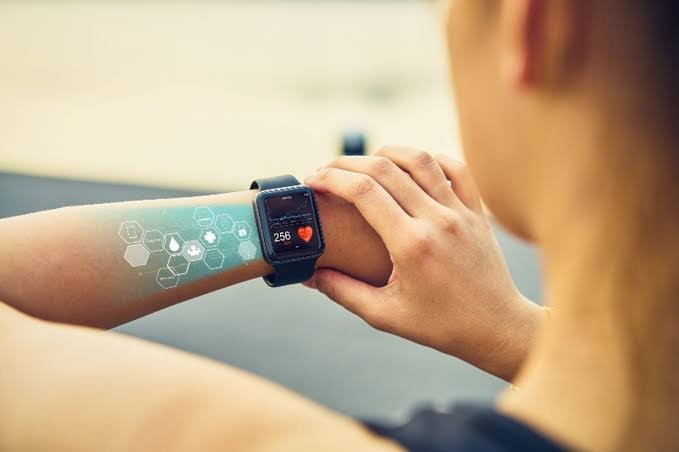
Depending on the model, a device may offer heart rate tracking, sleep estimates, activity monitoring, workout measurements, blood oxygen estimates, skin temperature measurements, or electrocardiogram functionality.
However, not every smartwatch includes the same sensors, and the availability of particular features can vary by region.
Before upgrading, identify which measurements matter to you instead of automatically choosing the watch with the longest list of health features.
If your primary goal is general wellness, reliable heart rate tracking, activity records, and useful sleep summaries may be sufficient. If you participate in endurance sports, workout metrics and recovery-related information may be more important.
Some smartwatches can also provide notifications about potentially irregular heart rhythms or unusually high or low heart rates under specified conditions.
These features can offer useful information, but they do not guarantee that a health problem will be detected. Consumer wearable measurements can be affected by movement, sensor contact, individual differences, and other factors.
An ECG feature, for example, is not the same as continuous clinical heart monitoring, and a smartwatch cannot diagnose every cardiovascular condition.
If you have a medical condition or need a device for a specific health-monitoring purpose, discuss the available options with an appropriate healthcare professional.
Also consider how health information is presented. Clear explanations, understandable trends, and sensible notifications can be more useful than dozens of complicated charts.
The best health-focused smartwatch is one that provides relevant information responsibly and helps you make informed decisions without creating unnecessary anxiety.
- Fitness Tracking and GPS Accuracy
If exercise is an important part of your routine, fitness tracking deserves special attention.
Most modern smartwatches record basic activities such as walking, running, and cycling. More advanced models may support swimming, strength training, hiking, interval workouts, and other specialized activities.
Useful features include heart rate monitoring during exercise, workout history, estimated distance, pace, elevation data, and personalized training summaries.
GPS is particularly important for people who run, cycle, hike, or participate in outdoor sports. A watch with reliable positioning can record routes and distances more accurately, although performance depends on the device, surroundings, and available satellite signals.
Some watches support multiple satellite systems or advanced positioning technologies to improve tracking in challenging environments. These features may be useful in areas with tall buildings, dense trees, or difficult terrain, but their benefits vary.
If you participate in specific sports, check whether the watch supports your activities and any accessories you use.
For example, cyclists may want compatibility with external sensors, while swimmers may prioritize suitable water resistance and swimming metrics.
Beginners should not feel pressured to purchase a premium sports watch with advanced performance analysis. A simpler device can be enough to establish consistent exercise habits.
The most useful fitness tracker is the one that makes activity easier to monitor and encourages you to maintain realistic goals.
- AI Features: Are They Actually Useful?
Artificial intelligence is becoming an increasingly visible part of smartwatch technology in 2026.
Depending on the device and its software, AI-related features may include conversational assistants, notification summaries, personalized activity suggestions, intelligent reminders, and analysis of selected health or fitness patterns.
These capabilities can make everyday interactions more convenient. For example, an assistant might help you organize reminders, answer simple questions, or summarize information from compatible applications.
Fitness applications may use recorded activity to suggest workouts or present longer-term progress in a more understandable format.
However, the term AI-powered can mean different things across manufacturers. Some features run directly on the watch, others use a connected smartphone, and some rely on remote servers and an internet connection.
The availability of these features may also depend on your language, region, subscription, and phone compatibility.
Before paying extra for AI capabilities, ask yourself whether they solve a real problem in your daily routine.
Consider the following:
Does the assistant understand natural language and respond reliably?
Can it complete useful tasks, or does it mainly provide basic voice commands?
Are personalized suggestions clear and relevant?
Does the feature work without a constant internet connection?
Does it affect battery life significantly?
What personal information does it process?
AI-generated health advice deserves particular caution. A smartwatch should not replace medical professionals, and automated explanations of health measurements can be incomplete or incorrect.
A watch with a few well-designed AI features may be more useful than one that advertises numerous capabilities that feel unnecessary.
Focus on practical benefits rather than marketing language.
- Display Quality, Size, and Comfort
A smartwatch is worn on the wrist for hours at a time, so its design affects everyday satisfaction.
Most current smartwatches use compact displays designed to balance readability, battery efficiency, and physical size. OLED and AMOLED screens can offer strong contrast and vibrant colors, while other display technologies may prioritize outdoor readability or energy efficiency.
When comparing displays, consider brightness, text clarity, viewing angles, touch responsiveness, and visibility in direct sunlight.
An always-on display can be convenient because it allows you to check the time without raising your wrist or touching the screen. However, it may reduce battery life.
Screen size is another important consideration. Larger displays can make messages, maps, and health information easier to read, but they may feel bulky on smaller wrists.
Smaller watches can be more comfortable for sleep tracking and everyday wear, although their displays may provide less space for information.
Weight, thickness, strap materials, and fastening mechanisms also deserve attention.
If possible, try the watch on before purchasing it. A device that looks attractive in photographs may feel uncomfortable after several hours of use.
People with sensitive skin should pay attention to strap materials and ensure that the watch fits properly without being excessively tight.
Water resistance, durability, and scratch protection may also influence the decision, especially for people who exercise frequently or work outdoors.
Ultimately, a smartwatch should feel comfortable enough to wear consistently. The best design is one that combines useful functionality with a fit that suits your lifestyle.
- Connectivity: Bluetooth, Wi-Fi, GPS, and Cellular
Connectivity determines how independently your smartwatch can operate.
Most smartwatches use Bluetooth to communicate with a smartphone. Wi-Fi may provide additional connectivity when a compatible network is available, while GPS allows the device to record outdoor locations and routes.
Some models also support cellular connectivity, allowing users to make calls, send messages, and access selected online services without keeping their phones nearby.
Cellular functionality can be particularly useful for runners, commuters, and people who prefer to leave their phones at home during short activities.
However, cellular models may cost more and consume additional power. They may also require a compatible mobile plan, and support depends on the carrier, region, and device.
If you usually keep your smartphone nearby, Bluetooth connectivity may be sufficient for your needs.
Outdoor enthusiasts should prioritize reliable GPS performance, while frequent travelers may value offline maps, navigation, and downloadable content.
It is also worth checking whether the watch can store music locally, support wireless headphones, or provide useful functions when the phone is disconnected.
Not every smartwatch needs to operate independently. The important question is how much freedom you want from your smartphone.
Choose connectivity features according to your actual habits rather than paying for capabilities you are unlikely to use.
- Smartwatch Operating Systems and Applications
A smartwatch’s operating system determines how it handles applications, notifications, settings, and integrations.
Some operating systems emphasize extensive application support and integration with smartphones. Others focus on fitness, battery efficiency, simplicity, or specialized outdoor functions.
Before upgrading, explore the applications available on the platform.
If you rely on particular fitness services, navigation tools, music applications, or productivity software, confirm that they work properly with the watch you are considering.
Also examine the quality of notification handling. Can you respond to messages? Can you customize alerts? Are calendar reminders easy to manage? Does the interface make common tasks straightforward?
Software updates matter as well. A smartwatch with a good update policy may receive security improvements, bug fixes, and new features for longer.
However, support periods vary by manufacturer and model, so it is worth checking the company’s published policies.
Consider whether the watch’s interface feels intuitive. Complicated menus and crowded screens can make a device frustrating, even when its technical specifications look impressive.
A well-designed operating system should make frequent tasks easy and keep less important features out of the way.
Long-term software support is particularly important because a smartwatch may remain physically functional for several years.
A device that continues receiving updates and maintains compatibility with modern applications is often a better investment than one that quickly becomes outdated.
- Battery Charging, Durability, and Water Resistance
Beyond everyday battery life, buyers should consider how easily a smartwatch can be maintained.
Check the charging method and whether replacement cables or accessories are readily available. Proprietary chargers can be convenient, but losing one may create an additional expense.
Fast charging can be valuable if you wear your watch overnight for sleep tracking. A short charging session may provide enough power for several hours of use, depending on the device.
Durability is equally important.
If you work outdoors, participate in demanding sports, or frequently travel, look for a watch designed to handle the conditions you expect it to encounter.
Some models offer reinforced cases, scratch-resistant glass, and specialized construction for outdoor use.
Water resistance deserves particular attention, but it should not be interpreted as unlimited protection. A device suitable for swimming may have different limitations from one designed primarily to withstand splashes or rain.
Check the manufacturer’s guidance before using a watch in a pool, open water, a sauna, or during high-pressure water activities.
Strap durability also matters, especially for users who exercise frequently. Replaceable straps can make a watch more versatile and easier to maintain.
Repair options are worth considering before purchase. Find out whether the manufacturer offers battery replacement, screen repairs, and other servicing.
A durable smartwatch that can be maintained over time may provide better value than a cheaper device that needs replacing after a relatively short period.
- Privacy and Security: Protecting Your Personal Information
Smartwatches can collect sensitive information about daily routines, health measurements, location, and communication activity.
As devices become more connected and AI features become more common, understanding how this information is handled is increasingly important.
Before purchasing a smartwatch, review the manufacturer’s privacy policy and the controls available within its applications.
Check whether you can manage access to health data, location information, contacts, and notifications. Also determine whether information is stored locally, synchronized with your phone, or processed by online services.
Security features such as device authentication, encryption, secure payments, and regular software updates can help protect personal information.
If you intend to use your watch for contactless payments or digital keys, confirm that the device provides suitable security controls and supports the services you need.
AI assistants deserve additional consideration because some requests may involve personal messages, calendar events, or health information.
Look for clear explanations of what information is processed and whether you can disable particular features.
It is also useful to understand how lost-device protection works. A smartwatch should provide a practical way to lock, locate, or disable access where supported.
Privacy should not be treated as an optional extra. A smartwatch that fits your needs while providing transparent data controls is a more sensible long-term choice.
- Design, Style, and Everyday Practicality
Although technical features are important, appearance remains a major part of the smartwatch buying decision.
Some buyers prefer a traditional round watch face, while others like a rectangular display that resembles a small smartphone screen.
Manufacturers offer different case sizes, materials, colors, and strap styles to suit different preferences.
Think about where you will wear the watch. A sporty design may be suitable for workouts and casual clothing, while a more understated appearance may work better in professional settings.
Replaceable straps can make one watch suitable for several occasions without requiring a separate device.
Weight is particularly important if you plan to sleep with the watch or wear it throughout the day.
Physical buttons may also matter. They can make it easier to control the watch during exercise, when using a touchscreen may be inconvenient.
Other practical considerations include screen durability, strap comfort, ease of cleaning, and how easily the watch can be operated with one hand.
A smartwatch should complement your lifestyle rather than become another device you find uncomfortable to wear.
When comparing models, consider design alongside functionality. The best watch is not necessarily the most fashionable or technologically advanced, but the one you will enjoy wearing regularly.
- Price and Value for Money
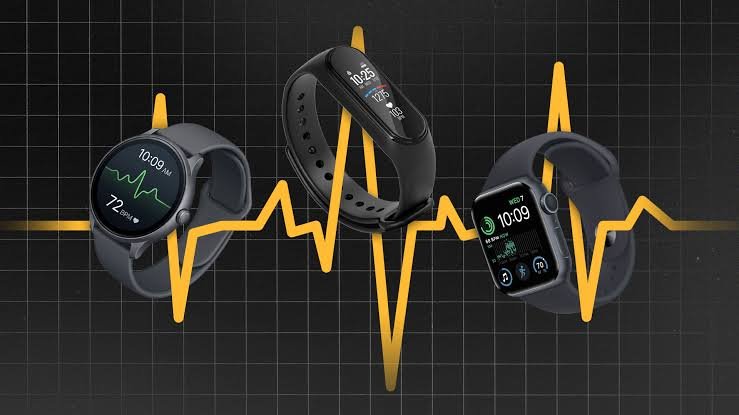
Smartwatches are available at a wide range of prices, from basic activity trackers to premium models with advanced sensors, cellular connectivity, and sophisticated software.
The most expensive option is not automatically the best choice.
Before setting a budget, identify the features that matter most to you. Someone who wants step counting, notifications, and basic workout tracking may not need a premium smartwatch.
On the other hand, a person who regularly hikes, trains for endurance events, or needs specialized features may benefit from investing in a more capable device.
Remember to consider costs beyond the initial purchase price.
These may include cellular subscriptions, optional application memberships, replacement straps, charging accessories, and repairs.
Also compare how long the manufacturer expects to support the device with software and security updates.
An older premium model may provide excellent value if it meets your requirements and continues receiving appropriate support. However, verify that it remains compatible with your smartphone and the applications you use.
Refurbished devices can also be worth considering when purchased from a reputable seller with a clear return policy and battery-condition information.
Avoid paying extra for specifications that sound impressive but offer little practical value.
The best purchase is the one that provides the right combination of functionality, comfort, reliability, and long-term support within your budget.
- Which Type of Smartwatch Is Right for You?
Different users have different priorities, so there is no single smartwatch that suits everyone.
Here are some broad categories to consider when narrowing your choices.
For everyday use: Look for comfortable design, dependable notifications, good battery performance, useful applications, and compatibility with your smartphone.
For fitness enthusiasts: Prioritize heart rate tracking, workout variety, reliable GPS, training summaries, and suitable water resistance.
For health-conscious users: Consider sleep tracking, clear health summaries, relevant sensor features, privacy controls, and transparent explanations of measurement limitations.
For outdoor adventurers: Focus on battery endurance, navigation, GPS performance, durability, and controls that are easy to use during activities.
For busy professionals: Look for calendar integration, notification management, voice assistants, contactless payments, and a design suitable for daily work.
For budget-conscious buyers: Concentrate on the essential functions you will use regularly rather than paying extra for premium materials or advanced features.
These categories can overlap. A person may want a watch that handles both everyday productivity and fitness tracking.
The key is to rank your priorities before comparing specific models. This makes it easier to distinguish genuinely useful differences from features that are unlikely to affect your experience.
- Common Mistakes to Avoid When Buying a Smartwatch
Even experienced technology buyers can overlook important details when choosing a new wearable device.
One common mistake is purchasing a smartwatch simply because it is the newest model. Newer devices may offer improvements, but those changes may not justify the additional cost for every user.
Another mistake is focusing entirely on specifications. A powerful processor or advanced sensor is useful only if the device provides meaningful benefits in everyday use.
Battery life is also easy to underestimate. A watch that requires frequent charging may become inconvenient, especially for users who want overnight monitoring.
Compatibility is another major concern. Always verify that the watch supports your smartphone and the applications you rely on.
Some buyers also assume that every health feature provides medical-grade information. In reality, measurement accuracy and intended uses differ across devices and features.
Ignoring software support can lead to problems later, particularly if updates stop or applications become incompatible.
Finally, avoid choosing a watch without considering comfort. A bulky device may look impressive in a store but become frustrating after several hours of wear.
Before purchasing, read independent reviews, compare real-world battery reports, check the return policy, and confirm the warranty terms.
A little research can help prevent expensive disappointment and make the upgrade more worthwhile.
- Final Checklist Before You Upgrade
Before making your final decision, review the following points:
Compatibility: Does the smartwatch work with your smartphone and essential applications?
Battery life: Can it handle your normal routine without inconvenient charging?
Health features: Does it provide the measurements and activity tracking you actually need?
AI capabilities: Are the intelligent features useful, reliable, and appropriately private?
Display and comfort: Is the screen readable, and does the watch fit comfortably?
Connectivity: Do you need cellular service, GPS, Wi-Fi, or offline functionality?
Durability: Is it suitable for your exercise habits, work environment, and water exposure?
Security: Can you manage permissions, protect personal information, and secure payments?
Software support: Is the manufacturer likely to provide updates for a reasonable period?
Total cost: Have you considered subscriptions, accessories, repairs, and other ongoing expenses?
If a watch meets your most important requirements without exceeding your budget, it may be a better choice than a more expensive model with additional features you will rarely use.
Conclusion
Buying a smartwatch in 2026 involves more than choosing an attractive design or selecting the device with the most advanced specifications. The right purchase depends on how well the watch fits your daily habits, smartphone ecosystem, health and fitness goals, and budget.
Battery life, compatibility, display quality, reliable tracking, useful AI features, and software support are among the most important factors to evaluate before upgrading.
Privacy and security deserve equal attention, particularly as smartwatches collect more personal information and connect with a growing number of digital services.
It is also important to recognize that not every feature is necessary for every user. A simple smartwatch with dependable performance may provide more value than a premium model filled with functions that remain unused.
Take time to compare real-world performance, review the manufacturer’s support policies, and consider how comfortable the watch will be during everyday activities.
Ultimately, the best smartwatch is not necessarily the newest, most expensive, or most technologically impressive device. It is the one that makes your life more convenient, supports your personal goals, and remains reliable long after the excitement of a new purchase has passed.
By focusing on practical needs rather than marketing promises, you can choose a smartwatch that offers genuine value and serves as a useful companion for years to come.