





Introduction
Smartwatches have come a long way from the early days of digital watches and basic fitness trackers. What once served mainly as a convenient way to check notifications or count daily steps has evolved into a powerful wearable technology that can monitor physical activity, support communication, track sleep patterns, and connect with a wide range of digital services. Today, smartwatches are becoming an increasingly important part of how people manage their health, organize their schedules, and stay connected throughout the day.
As technology continues to advance, the future of smartwatches looks more promising than ever. Improvements in artificial intelligence, health sensors, battery technology, wireless connectivity, and personalized software are creating opportunities for smarter and more useful wearable devices. Instead of simply displaying information from a smartphone, future smartwatches may become more independent, responsive, and capable of providing assistance based on a user’s needs and habits.
Imagine a smartwatch that recognizes changes in your normal activity patterns, helps you understand your sleep quality, provides personalized workout suggestions, and makes everyday tasks easier through voice-based AI. Consider a device that can offer useful health insights while allowing users to leave their phones in their pockets for longer periods.
These developments are already influencing the direction of wearable technology, although the capabilities available today vary considerably between devices.
However, the future of smartwatches is not only about adding more features. Manufacturers must also address battery life, accuracy, comfort, affordability, privacy, and the challenge of making increasingly advanced technology easy to use.
This article explores the latest developments shaping smartwatches, the role of AI and health monitoring, emerging design innovations, and the trends that could transform wearable technology in the coming years.
1. From Digital Watches to Intelligent Wearable Devices
The evolution of smartwatches reflects the broader development of personal technology.
Traditional watches were designed primarily to display time, while digital watches introduced additional functions such as alarms, timers, calendars, and stopwatches. As smartphones became more popular, manufacturers began developing wearable devices that could connect to mobile applications and provide notifications directly on the wrist.
Early smartwatches focused heavily on convenience. Users could check incoming messages, control music playback, view reminders, and monitor basic physical activity without repeatedly reaching for their phones.
Over time, these devices gained more advanced sensors, improved displays, GPS capabilities, mobile payments, and support for third-party applications.
Fitness tracking became one of the strongest reasons to purchase a smartwatch. Step counting, heart rate monitoring, workout recording, and sleep tracking helped turn wearable devices into everyday health and activity companions.
Modern smartwatches increasingly combine these functions with communication, navigation, safety features, and personalized recommendations.
The next stage is likely to involve deeper integration between hardware and AI software. Instead of simply collecting information and displaying charts, smartwatches may become better at interpreting patterns and presenting information that users can act on.
For example, a device could identify that a person’s activity has been lower than usual and suggest a short walk, provided the user has enabled such recommendations.
This transition from basic tracking to intelligent assistance is one of the most important changes taking place in wearable technology.
2. AI-Powered Smartwatches: A More Personal Experience
Artificial intelligence is becoming an important part of the smartwatch experience.
Traditional wearable applications often rely on fixed rules, predefined targets, and historical measurements. AI can potentially make these experiences more adaptive by interpreting patterns and responding to individual preferences.
For example, a smartwatch could help organize workout suggestions around a user’s available time, preferred activities, and previous exercise sessions. A compatible AI assistant might also summarize selected notifications, help create reminders, or answer simple questions through voice interaction.
Rather than displaying the same recommendations to everyone, AI-powered software could adapt its suggestions to the user’s goals and routines.
A runner training for a long-distance event may benefit from different guidance than someone who wants to maintain a regular walking habit. Similarly, a person who prefers brief notifications may appreciate concise summaries instead of lengthy messages.
AI could also make voice interactions more natural. Users may be able to ask questions conversationally rather than memorizing specific commands.
However, the quality of these features depends on the underlying model, available computing resources, software integration, and the reliability of the information being processed.
Not every smartwatch has enough hardware to run advanced AI models locally. Some features may depend on a connected smartphone or remote servers.
Manufacturers must also ensure that AI-generated suggestions are useful rather than distracting or misleading.
The real value of AI in smartwatches will come from making everyday interactions simpler and more relevant, not merely adding artificial intelligence as a marketing feature.
3. Advanced Health Monitoring: Beyond Counting Steps
Health monitoring is one of the strongest areas of innovation in smartwatch technology.
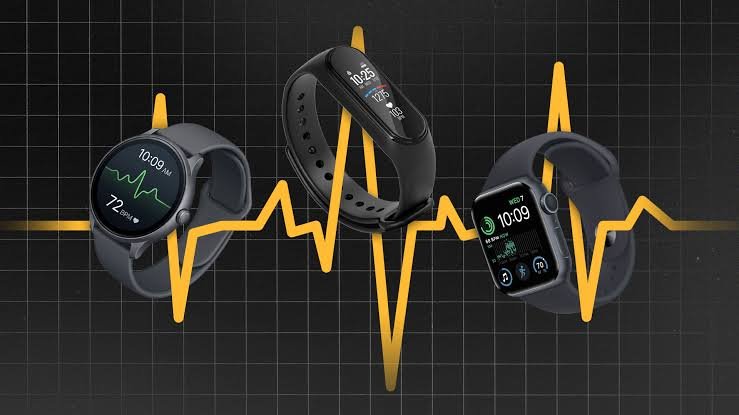
Many current devices can track heart rate, physical activity, sleep duration, and selected workout measurements. Depending on the model and region, some also provide features such as electrocardiogram recordings, blood oxygen estimates, skin temperature measurements, or notifications about potentially irregular heart rhythms.
These capabilities allow users to observe changes in their activity and certain physiological measurements over time.
Future smartwatches may improve the way they combine this information. Rather than presenting separate charts for every measurement, they could help users understand broader patterns and identify changes that may deserve attention.
For example, a device might show that sleep duration, activity, and resting heart rate have changed compared with a person’s usual pattern. Such information could encourage the user to review their routine or seek professional advice when appropriate.
However, wearable measurements must be interpreted carefully. A smartwatch cannot reliably diagnose every health condition, and an unusual reading does not necessarily indicate a medical problem.
Sensor accuracy can vary depending on device design, fit, skin contact, movement, and the activity being performed.
Future progress will depend on improving sensor quality, validating health-related algorithms, and clearly communicating what measurements can and cannot establish.
The most useful smartwatches will not simply collect more health data. They will help people understand relevant information without creating unnecessary anxiety or encouraging unsupported medical conclusions.
4. Smarter Sleep Tracking and Recovery Insights
Sleep has become a major focus for wearable technology because it affects energy, concentration, physical performance, and general well-being.
Many smartwatches estimate sleep duration and divide sleep into categories based on movement and physiological signals. Some also provide information about overnight heart rate, breathing-related measurements, or changes in skin temperature.
Although these features can offer useful estimates, sleep-stage measurements from consumer wearables are not equivalent to a clinical sleep study.
Future devices may improve sleep-related insights by combining several measurements with longer-term personal patterns.
For example, a smartwatch might help users identify relationships between bedtime consistency, exercise routines, and how rested they feel the next day.
Instead of focusing only on a single sleep score, applications could provide practical suggestions, such as maintaining a more regular bedtime or reducing late-night notifications.
Smart alarms may also become more personalized, using user-selected wake-up windows and sleep-related estimates where supported.
Recovery tracking could complement these features by helping active users understand how their bodies respond to exercise and rest.
However, more data does not always lead to better sleep. Constantly checking scores can cause some people to become overly concerned about normal variations.
Manufacturers should design sleep features to encourage healthy habits rather than make users feel that every night must meet a perfect numerical target.
A good sleep-tracking experience should help people recognize useful patterns while reminding them that wearable estimates have limitations.
5. The Future of Fitness Tracking
Fitness tracking remains a central reason people choose smartwatches.
Modern devices can record workouts, estimate distance, monitor heart rate, track steps, and provide information about exercise intensity. Many also support GPS-based activity recording, training plans, and integration with fitness applications.
Future improvements may make these features more personalized and useful for different types of exercise.
For runners, smartwatches could offer better pacing guidance, more detailed performance trends, and training suggestions based on recent activity. Cyclists may benefit from improved route tracking and connections to compatible sensors.
Swimmers could see better workout recognition and more detailed performance summaries, while people who prefer walking or general fitness may receive simpler guidance focused on consistency.
AI could help users interpret trends across multiple sessions instead of evaluating each workout independently.
For example, an application might compare recent exercise performance with a user’s normal baseline and suggest adjusting the next workout. Such guidance should remain advisory and account for the uncertainty of wearable measurements.
Improved GPS technology may also help devices record routes more accurately in challenging environments, although performance will continue to depend on the device and surroundings.
Another likely trend is greater support for personalized coaching. Users may be able to ask questions about their training history and receive explanations suited to their experience level.
The challenge is ensuring that recommendations remain safe and appropriate. Fitness systems should not encourage users to ignore pain, train excessively, or treat algorithmic targets as more important than their own well-being.
The future of fitness tracking will be most valuable when it supports consistency, realistic goals, and informed decisions about physical activity.
6. Battery Life: A Major Challenge for Future Smartwatches
As smartwatches gain brighter displays, advanced sensors, GPS functions, and AI capabilities, battery life becomes increasingly important.
Many users want their devices to operate for several days without charging, particularly if they rely on overnight sleep tracking or continuous health monitoring.
Unfortunately, additional features can increase energy consumption. High-resolution displays, cellular connectivity, frequent GPS use, and intensive processing may reduce the time between charges.
Manufacturers are exploring several ways to address this challenge.
More efficient processors can perform certain tasks using less power. Software improvements can reduce unnecessary background activity, while display technologies can lower energy consumption under suitable conditions.
Battery chemistry and hardware design may also improve the balance between capacity, device thickness, and charging speed.
Another possibility is more intelligent power management. A smartwatch could adjust sensor sampling or processing intensity according to the task, while preserving the measurements required for its intended functions.
For example, the device might use different power settings during an intensive GPS workout than during ordinary daily activity.
However, reducing sensor activity must not undermine the reliability of features that depend on continuous measurements.
Solar-assisted charging and energy-harvesting technologies may attract interest in certain wearable designs, but their usefulness will depend on practical energy output and device requirements.
Ultimately, longer battery life could improve the entire smartwatch experience. It would make charging less disruptive and allow users to rely more consistently on the features they value most.
7. Better Displays and More Comfortable Designs
A smartwatch must balance advanced functionality with physical comfort.
Unlike smartphones, which users can put away when they are not needed, smartwatches remain attached to the wrist for long periods. Weight, thickness, strap material, screen readability, and overall fit can significantly affect the experience.
Future devices may use more efficient display technologies to improve visibility in bright sunlight while reducing power consumption.
Higher refresh rates and smoother animations could make interfaces feel more responsive, although these improvements must be balanced against battery life.
Manufacturers may also explore more flexible design approaches, improved protective materials, and lighter components.
Display sizes and shapes will continue to vary according to different needs. Some users prefer larger screens for reading messages and reviewing health information, while others prioritize a compact and discreet design.
Software design is equally important. Because smartwatch screens are small, applications must present information clearly without overwhelming the user.
Voice interaction, simplified navigation, and context-aware notifications can reduce the need to read lengthy messages on a tiny display.
Comfort also involves skin sensitivity, ventilation, and strap adjustment. Materials that work well during everyday use may feel different during exercise or sleep.
The best future smartwatch will not necessarily have the largest screen or the most striking design. It will be one that feels comfortable, remains readable in different environments, and makes its most important features easy to access.
8. Smartwatches Becoming More Independent From Smartphones
Many smartwatches still depend on smartphones for setup, connectivity, notifications, or access to certain applications.
However, cellular connectivity, improved operating systems, and more capable hardware are making some devices increasingly independent.
A compatible smartwatch with cellular service may allow users to make calls, send messages, receive notifications, and access selected online services without keeping a phone nearby.
GPS and offline storage can also support activities such as running, hiking, and listening to downloaded music without a smartphone connection.
Future devices may expand these capabilities through more sophisticated on-device software and better support for independent applications.
For example, users might manage reminders, review personal notes, interact with selected AI features, and access essential information directly from their wrists.
Nevertheless, independence depends on the device, mobile plan, operating system, and available applications. Some features will continue to require a connected phone or internet access.
Smaller batteries and limited screen space also make it difficult to reproduce the full smartphone experience on a watch.
The goal is not necessarily to replace smartphones entirely. Instead, smartwatches may become capable of handling more tasks independently, reducing the number of situations in which users need to reach for their phones.
This could be especially useful during workouts, short trips, outdoor activities, and moments when carrying a smartphone is inconvenient.
9. Smartwatches and the Connected Smart Home
As smart home technology becomes more widespread, smartwatches may serve as convenient control points for connected devices.
Users already have access to various smart home applications that manage lighting, thermostats, locks, cameras, and other compatible equipment. A smartwatch can make selected controls accessible directly from the wrist.
For example, a user might adjust the temperature, turn off a light, activate a predefined home routine, or check the status of a compatible device without opening a smartphone.
Voice assistants can make these interactions more natural, while personalized routines may help reduce repetitive tasks.
Imagine arriving home and using a watch to activate a preferred lighting setting or check whether a connected appliance is still running.
Smartwatches could also provide alerts from selected home systems, although users should carefully configure which notifications deserve immediate attention.
Security is particularly important when wearable devices control physical equipment. Access to smart locks, security systems, and other sensitive functions should be protected through appropriate authentication and permission controls.
Manufacturers also need to improve compatibility across platforms so users are not restricted unnecessarily by differences between device ecosystems.
As smart homes become more connected, the smartwatch could become a practical interface for managing selected household functions.
Its greatest advantage would be convenience: providing access to useful controls without requiring people to interrupt what they are doing to find another device.
10. Personal Safety and Emergency Features
Smartwatches are increasingly incorporating features designed to help users respond to emergencies.
Depending on the model, these may include emergency calling, location sharing, fall detection, crash detection, or alerts to selected contacts.
Such features can be especially useful for older adults, outdoor enthusiasts, and people who want an additional way to request assistance.
Future improvements may focus on making emergency features easier to activate, improving location accuracy, and reducing false alarms.
For example, a compatible device might detect a suspected fall and ask the user whether assistance is needed before initiating an emergency procedure, depending on its settings and design.
Location sharing can also help people keep trusted contacts informed during selected activities.
However, emergency features are not guaranteed to detect every incident. Sensors may misinterpret ordinary movements, connectivity may be unavailable, and device batteries can run out.
Users should understand how their specific watch handles emergencies and should not treat it as a replacement for appropriate safety planning.
Privacy also matters. Location information should be shared only with intended recipients and handled according to clear settings.
Future safety features may become more intelligent, but their design must prioritize reliability, clear communication, and user control.
11. Contactless Payments and Digital Identity
Smartwatches have made contactless payments more convenient by allowing users to pay at compatible terminals without taking out a phone or wallet.
Secure payment technologies and device authentication help make these transactions practical for everyday use.
Future smartwatches may expand their role as digital identity tools, depending on local regulations, service support, and device capabilities.
For example, compatible systems may allow users to access selected buildings, use supported transit services, or present approved digital credentials.
This could make daily routines simpler by consolidating several functions into a wearable device.
However, these capabilities depend on cooperation between manufacturers, payment providers, governments, and service operators.
Security is critical because a smartwatch may contain access credentials, payment tokens, and other sensitive information. Strong authentication, secure hardware, and the ability to disable a lost device are important protections.
Digital identity systems must also account for privacy and inclusion. People should understand what information is shared and retain access to reasonable alternatives when wearable credentials are unavailable.
Smartwatches may become more useful as digital keys and payment tools, but convenience should not come at the expense of security or user choice.
12. Privacy and Security in Wearable Technology
As smartwatches collect more information, privacy and security become increasingly important.
Health measurements, sleep patterns, location history, exercise routines, and communication data can reveal detailed information about a person’s daily life.
If this information is collected unnecessarily, shared without adequate safeguards, or exposed through a security breach, the consequences can extend beyond ordinary digital inconvenience.
Manufacturers should clearly explain what information their devices collect and how it is processed. Users should be able to control permissions, review sharing settings, and delete information where supported.
Encryption, secure authentication, software updates, and carefully managed access controls can reduce security risks.
AI-powered features introduce additional considerations. A smartwatch may process personal information to generate recommendations, but the application should use only the information necessary for its intended purpose.
Local processing may reduce the need to send some data to remote servers, although it does not automatically eliminate privacy risks.
Users should also consider which third-party applications receive access to health and activity information.
Another concern is the potential misuse of wearable data by employers, insurers, or other organizations. Access to sensitive information should be governed by appropriate laws, policies, and consent requirements.
Trust will be essential to the future of smartwatches. People are more likely to benefit from wearable technology when they understand how their information is used and retain meaningful control over it.
13. Can Smartwatches Replace Other Health and Fitness Devices?
As smartwatch sensors improve, some users may wonder whether a single wearable can replace dedicated fitness trackers, heart rate monitors, or other health-related devices.
For everyday activity tracking, a smartwatch may already offer enough functionality for many people. It can combine step counting, workout recording, sleep estimates, notifications, and selected health measurements in one product.
However, dedicated devices may still offer advantages for specific applications.
Chest-strap heart rate monitors, for example, may provide more suitable measurements for certain high-intensity activities. Specialized sports equipment can also offer features designed for particular training requirements.
Clinical medical devices serve different purposes and may be subject to different testing and regulatory standards.
Smartwatch measurements can be useful for observing trends, but their accuracy varies according to the metric, device, and conditions of use.
A smartwatch should not be assumed to provide the same diagnostic capabilities as professional medical equipment simply because it tracks related measurements.
For most consumers, the best choice depends on their goals. Someone seeking general wellness information may prefer an all-in-one device, while a competitive athlete or a person with specific medical needs may require specialized equipment or professional guidance.
The future will likely involve greater integration between smartwatches and other devices rather than the complete disappearance of specialized products.
14. The Challenges Manufacturers Must Overcome
Despite rapid innovation, smartwatch manufacturers face several challenges.
Battery life remains a major concern as devices gain more demanding features. Improving processing power without significantly increasing size, weight, or energy consumption requires careful engineering.
Accuracy is another issue, particularly for health measurements. Manufacturers must validate sensors and algorithms under realistic conditions rather than relying solely on ideal testing environments.
Compatibility can also be frustrating. Some devices work best within particular smartphone ecosystems, limiting the experience for users who prefer products from different manufacturers.
Affordability is equally important. Premium smartwatches may include advanced features, but not every user needs or can afford them. Useful wearable technology should remain accessible across different budgets.
Software support is another consideration. A smartwatch may remain physically functional for years, but outdated software or discontinued services can reduce its usefulness.
Manufacturers should also consider repairability, replacement batteries, software updates, and the environmental impact of producing and disposing of wearable devices.
Finally, additional features can make smartwatches more complicated. A device crowded with menus, alerts, and unnecessary functions may become less convenient rather than more useful.
Successful innovation will require manufacturers to prioritize the features people genuinely value while maintaining reliability, comfort, security, and long-term usability.
15. What the Future of Smartwatches May Look Like
The next generation of smartwatches is likely to focus on making existing capabilities more useful rather than simply increasing the number of available features.
AI may help interpret activity patterns, summarize selected information, and make interactions more conversational. Improved sensors could provide better measurements, while more efficient processors may support longer battery life and additional on-device capabilities.
Wearable devices may also become more closely connected with smartphones, smart home systems, health applications, and other digital services.
In healthcare, validated wearable measurements could support more continuous observation of selected health indicators. In fitness, personalized coaching may help users understand training trends and build consistent habits.
For everyday users, the most noticeable improvements may involve convenience: fewer unnecessary notifications, more relevant reminders, better voice interactions, and more reliable connectivity.
Future designs may also become lighter and more comfortable, encouraging people to wear devices throughout the day and during sleep.
At the same time, privacy and security will remain central concerns. More detailed measurements and more capable AI systems increase the importance of clear permissions and responsible data management.
It is also possible that smartwatches will work more closely with other wearable devices, allowing users to select the form factor that best suits their needs.
The long-term direction is clear even if the exact features remain uncertain: smartwatches are moving toward becoming more personalized, context-aware, and integrated into everyday life.
The most successful products will be those that combine these capabilities with practical design and dependable performance.
Conclusion
Smartwatches have evolved from simple digital accessories into versatile devices that support communication, fitness tracking, health monitoring, navigation, payments, and connected home controls.
The next stage of wearable technology will likely be shaped by artificial intelligence, improved sensors, more efficient batteries, independent connectivity, and increasingly personalized software.
These developments could make smartwatches more helpful in everyday situations, from organizing schedules and tracking workouts to accessing digital services and reviewing selected health information.
However, innovation must be accompanied by responsible design. Manufacturers need to improve accuracy, protect sensitive data, maintain reliable software, and ensure that advanced features remain accessible and easy to use.
Users should also understand the limitations of wearable measurements and avoid treating consumer health features as substitutes for professional medical assessment.
Ultimately, the future of smartwatches is not simply about putting more technology on the wrist. It is about making that technology genuinely useful without making daily life more complicated.
A successful smartwatch will provide relevant information when needed, operate reliably throughout the day, protect the user’s privacy, and fit comfortably into everyday routines.
As wearable technology continues to advance, smartwatches may become increasingly important companions for managing personal goals, staying connected, and interacting with the digital world.
The real revolution will come when these devices become not only smarter but also more dependable, personal, and respectful of the people who wear them.