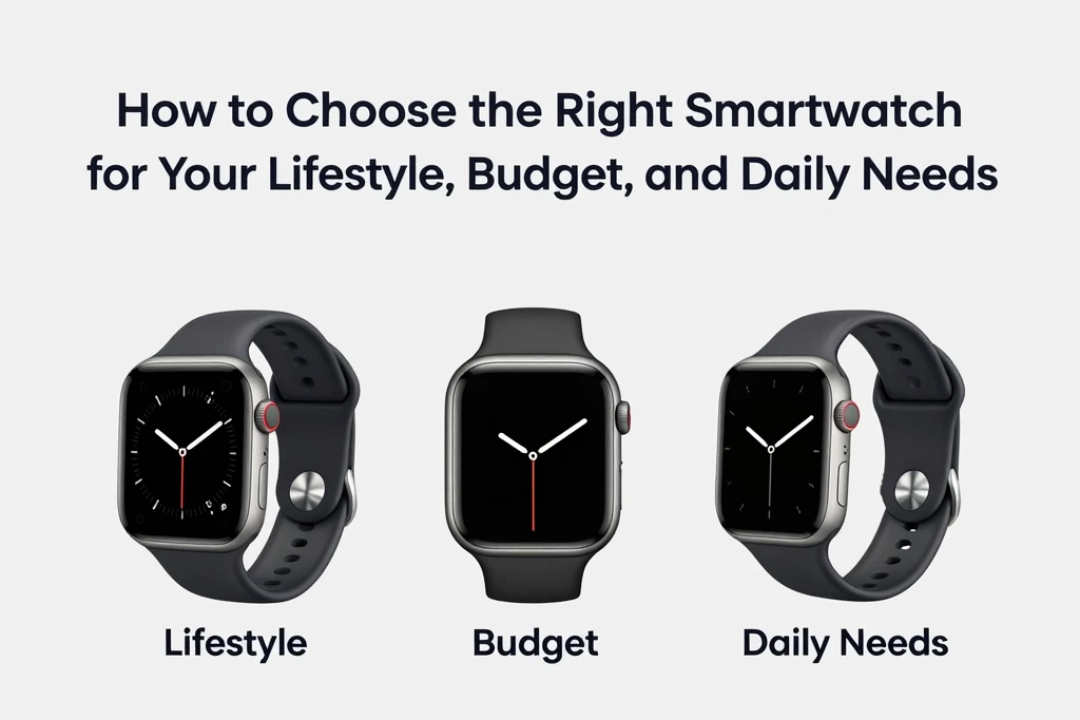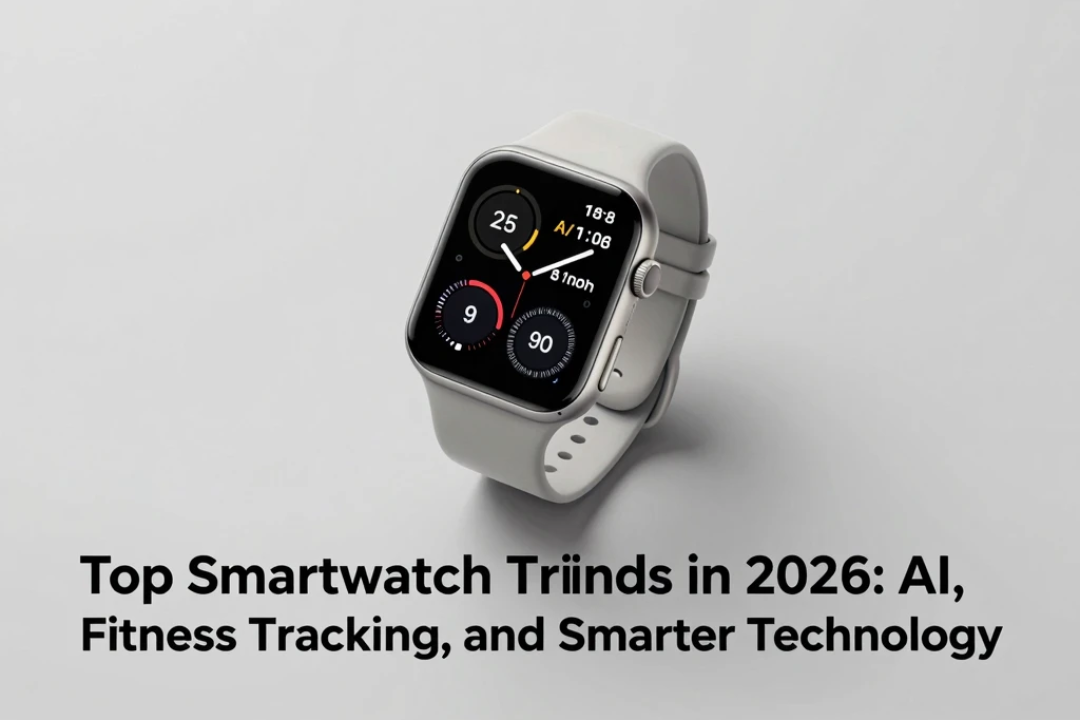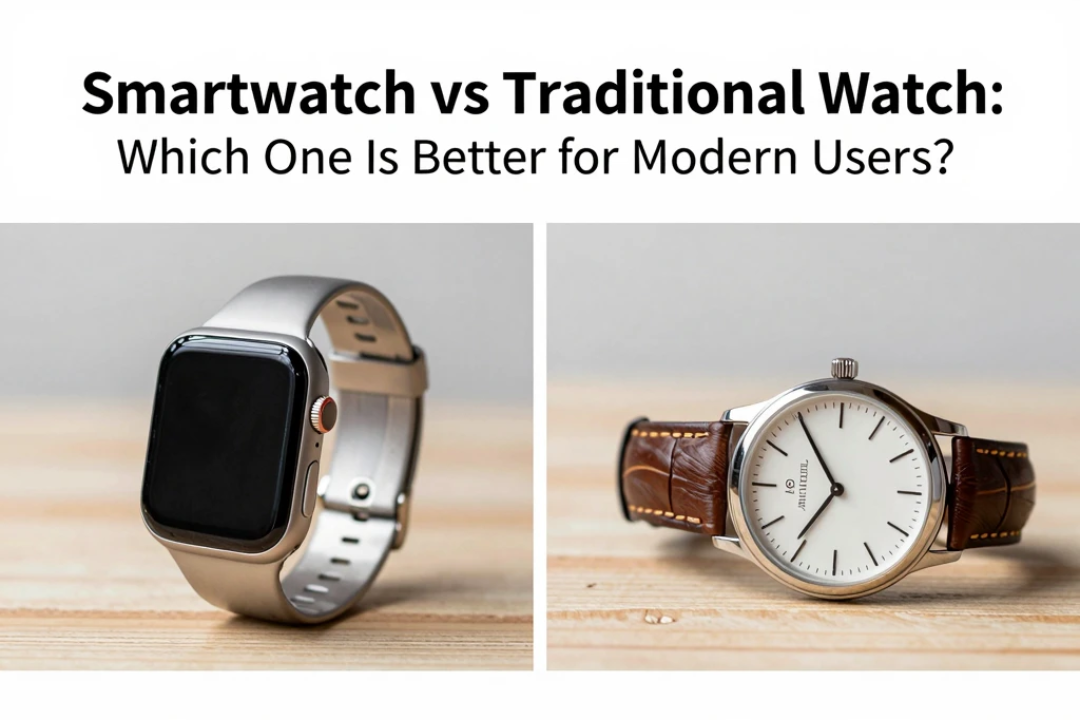





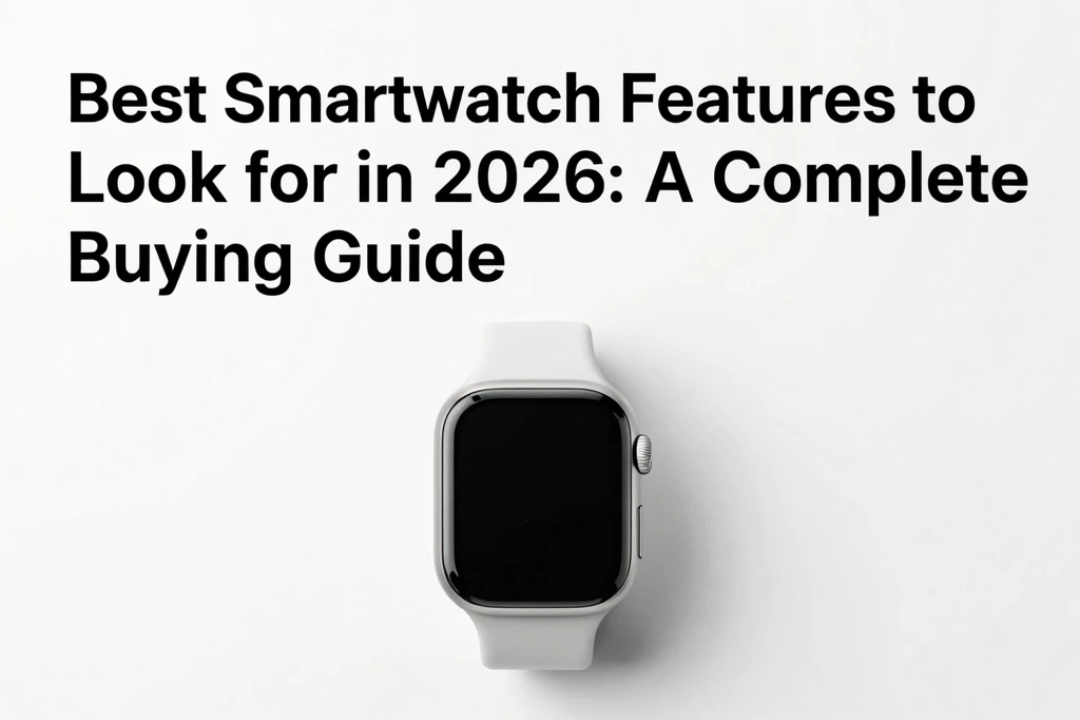
Smartwatches have evolved far beyond simple digital watches. In 2026, modern smartwatches can track fitness activities, monitor health metrics, display notifications, support calls, provide navigation, control music, and even offer AI-powered features. With so many models available at different prices, choosing the right smartwatch can be confusing.
The best smartwatch is not necessarily the most expensive one. The right choice depends on the features you actually need, your smartphone ecosystem, battery expectations, fitness goals, and budget.
If you are planning to buy a smartwatch this year, this complete guide explains the best smartwatch features to look for in 2026 and what you should consider before making a purchase.
What Should You Look for in a Smartwatch in 2026?
Before buying a smartwatch, consider the features that will make a meaningful difference in your everyday life. A good smartwatch should offer reliable health tracking, useful smart features, comfortable design, good battery life, and compatibility with your phone.
Here are some of the most important smartwatch features to consider in 2026:
- Advanced health monitoring
- Accurate fitness tracking
- GPS and navigation
- Long battery life
- AI-powered smart features
- High-quality display
- Smartphone compatibility
- Water resistance
- Contactless payments
- Calling and messaging
- Durable construction
- Customizable watch faces
Let’s look at each feature in more detail.
1. Advanced Health Monitoring
Health tracking remains one of the biggest reasons people buy smartwatches. Modern devices can collect a wide range of health-related information throughout the day.
Depending on the model, you may find features such as heart-rate monitoring, blood oxygen tracking, sleep analysis, stress monitoring, skin temperature measurements, and activity tracking.
Some premium smartwatches also provide more advanced health insights and alerts.
However, it is important to remember that consumer smartwatches are generally designed for wellness and fitness purposes rather than replacing professional medical equipment. Health measurements should be treated as helpful information rather than a medical diagnosis.
Why Health Tracking Matters
A smartwatch can help you understand patterns in your daily activity. For example, you can monitor your resting heart rate, sleep duration, exercise frequency, and general activity levels.
For users who want to become more active, these insights can make it easier to set realistic goals and maintain healthy habits.
2. Accurate Fitness and Workout Tracking
If fitness is one of your main priorities, workout tracking should be high on your checklist.
In 2026, a good fitness smartwatch should support multiple exercise modes, including walking, running, cycling, swimming, strength training, and other popular activities.
Look for a watch that provides useful workout information such as:
- Distance
- Calories burned
- Heart rate
- Workout duration
- Pace
- Steps
- Training zones
- Recovery information
Serious runners and athletes may also benefit from advanced training metrics, route tracking, and personalized workout recommendations.
3. Built-In GPS
Built-in GPS is another important smartwatch feature, particularly for runners, cyclists, hikers, and outdoor enthusiasts.
A smartwatch with GPS can record your route and distance without requiring your smartphone to be with you during every workout.
When comparing models, don’t simply look for the word “GPS.” GPS accuracy can vary between devices. Some premium models use multiple satellite positioning systems to improve tracking in challenging environments.
If you regularly exercise outdoors, reliable location tracking can be much more valuable than a collection of features you rarely use.
4. Longer Battery Life
Battery life can make or break the smartwatch experience.
Some feature-rich smartwatches need to be charged every day or every couple of days, while other models can run for several days or even longer depending on usage.
Think about how you plan to use your watch. If you want to track sleep every night, frequent charging may become inconvenient.
Before buying, check the manufacturer’s estimated battery life and consider how features such as GPS, always-on displays, cellular connectivity, and continuous health monitoring affect battery consumption.
What Battery Life Is Best?
For everyday users, a smartwatch that comfortably lasts one to several days may be sufficient. Fitness-focused users should pay particular attention to battery performance during GPS workouts.
The important thing is not simply having the largest battery. Efficient software and hardware can have a major impact on real-world battery life.
5. AI-Powered Smart Features
Artificial intelligence is becoming increasingly important in wearable technology.
In 2026, AI-powered smartwatch features can help users interpret activity data, generate useful insights, provide personalized suggestions, and make interactions with the device more natural.
For example, an AI-enabled smartwatch may help summarize your fitness activity or provide suggestions based on your routines.
However, AI should be considered a bonus rather than the only reason to purchase a smartwatch. A watch with excellent core functionality is still more useful than one that advertises AI features you rarely use.
6. High-Quality Display
The display is one of the first things you interact with every time you use a smartwatch.
Look for a bright and sharp screen that remains readable indoors and outdoors. AMOLED and other advanced display technologies can provide excellent contrast, vibrant colors, and good viewing quality.
An always-on display can also be useful because it allows you to check the time without raising your wrist or interacting with the screen.
However, always-on functionality can consume additional battery power, so consider whether you actually need it.
7. Smartphone Compatibility
Before buying a smartwatch, make sure it works properly with your smartphone.
Some watches are designed primarily for specific smartphone ecosystems, while others offer broader compatibility.
Check compatibility requirements before purchasing. A smartwatch may look perfect on paper but become frustrating if important features don’t work with your phone.
Compatibility can affect notifications, calling, messaging, health applications, synchronization, and third-party apps.
8. Calling and Messaging
Many modern smartwatches can handle notifications and, depending on the model, allow users to respond to messages or make and receive calls.
Bluetooth calling can be particularly convenient when your phone is nearby.
Cellular-enabled models offer even greater independence because they can connect to mobile networks without relying entirely on a smartphone.
If calling from your wrist is important to you, check microphone and speaker quality before buying. A smartwatch may technically support calls but still provide a poor experience if its audio hardware is weak.
9. Water Resistance
Water resistance is another feature worth considering, especially if you exercise frequently or spend time outdoors.
A water-resistant smartwatch can handle everyday situations such as sweat, rain, and accidental splashes. Some models are also designed for swimming and water-based workouts.
However, water resistance does not mean every smartwatch is suitable for every water activity.
Always check the manufacturer’s rating and usage recommendations before taking your smartwatch into a pool, shower, or open water.
10. Contactless Payments
Contactless payments can turn a smartwatch into a convenient digital wallet.
Instead of taking your phone out to make a compatible payment, you may be able to use your watch at supported payment terminals.
Before choosing a smartwatch for payments, check whether its payment system works in your country and with your bank or card provider.
This feature can be particularly useful when you’re exercising, traveling, or simply want to leave your phone in your pocket.
11. Durable Design and Comfort
A smartwatch can have all the latest technology, but it won’t be enjoyable to use if it is uncomfortable.
Look for a lightweight design, comfortable strap, and suitable case size. People with smaller wrists may prefer compact models, while users who want a larger screen may choose bigger cases.
Durability is equally important. If you regularly work outdoors or participate in demanding activities, consider a watch with stronger materials and additional protection against scratches and impacts.
12. Storage and App Support
App support can significantly expand what a smartwatch can do.
Depending on the platform, you may be able to install applications for music, fitness, navigation, productivity, weather, communication, and other purposes.
Adequate internal storage is also useful if you want to store music, apps, or other content directly on the watch.
However, don’t choose a smartwatch solely because it supports hundreds of apps. Focus on whether it has the applications and services you actually use.
13. Customization Options
Customization may not be the most important feature, but it can make a smartwatch feel more personal.
Look for models that offer multiple watch faces, complications, widgets, and interchangeable straps.
You can create different layouts for work, workouts, travel, or everyday use.
A good smartwatch should allow you to display the information you care about without making the interface unnecessarily complicated.
How Much Should You Spend on a Smartwatch in 2026?
Smartwatch prices vary significantly.
Budget models can provide basic notifications, step tracking, heart-rate monitoring, and simple workout features. Mid-range models often add better displays, GPS, improved sensors, and stronger software support.
Premium smartwatches generally offer better materials, advanced health and fitness features, stronger processors, cellular connectivity, and more sophisticated software.
Instead of focusing only on price, consider the value you receive.
If you only need notifications and basic activity tracking, spending a large amount may not be necessary. On the other hand, athletes or users who depend on advanced GPS and health features may benefit from investing in a premium model.
Smartwatch Buying Checklist for 2026
Before purchasing, use this simple checklist:
Health: Does it provide the health metrics you actually need?
Fitness: Does it support your preferred workouts?
GPS: Is built-in GPS important for your lifestyle?
Battery: Can it last long enough for your daily routine?
Compatibility: Does it work properly with your smartphone?
Display: Is the screen bright and easy to read?
Durability: Can it handle your environment and activities?
Water resistance: Is it suitable for your intended use?
Calling: Do you need Bluetooth or cellular calling?
Payments: Are contactless payments supported in your region?
Software: Will the manufacturer provide updates and support?
Comfort: Can you comfortably wear it throughout the day and night?
Common Mistakes to Avoid When Buying a Smartwatch
One of the biggest mistakes buyers make is choosing a smartwatch based solely on appearance.
A stylish design is important, but functionality matters more if you plan to wear the watch every day.
Another mistake is ignoring battery life. A smartwatch that requires charging at inconvenient times can quickly become frustrating.
Buyers should also avoid paying for features they don’t need. For example, cellular connectivity may be unnecessary if you always carry your phone.
Finally, don’t overlook compatibility. Always verify that the smartwatch works with your existing smartphone before making a purchase.
Frequently Asked Questions
What is the most important smartwatch feature in 2026?
The most important feature depends on your needs. For many users, health tracking, battery life, smartphone compatibility, GPS, and reliable notifications are among the most useful features.
Are smartwatches worth buying in 2026?
Yes. Smartwatches can be useful for fitness tracking, notifications, health insights, calls, navigation, payments, and everyday convenience. The value depends on choosing a model that matches your needs.
How long should a smartwatch battery last?
Battery life varies by model and usage. Some devices require frequent charging, while others can operate for several days or longer. GPS, cellular connectivity, and always-on displays can reduce battery life.
Should I buy a smartwatch with GPS?
If you run, cycle, hike, walk, or participate in outdoor activities, built-in GPS can be extremely useful. Casual users who always carry their phone may not need it.
Can a smartwatch replace a smartphone?
Generally, no. Some cellular smartwatches can perform many smartphone-related tasks independently, but smartphones remain much more capable for browsing, content creation, detailed navigation, and demanding applications.
Final Conclusion
Choosing the best smartwatch in 2026 is less about buying the model with the longest feature list and more about finding the right combination of features for your lifestyle.
Prioritize the features you’ll actually use. Health and fitness tracking are important for active users, while battery life, notifications, calling, compatibility, and comfort may matter more for everyday users.
Before purchasing, compare battery performance, sensor capabilities, GPS accuracy, software support, smartphone compatibility, durability, and price.
The ideal smartwatch should fit naturally into your daily routine rather than becoming another device you have to constantly manage. With the right combination of features, a smartwatch can be a useful companion for fitness, communication, productivity, and everyday life in 2026.